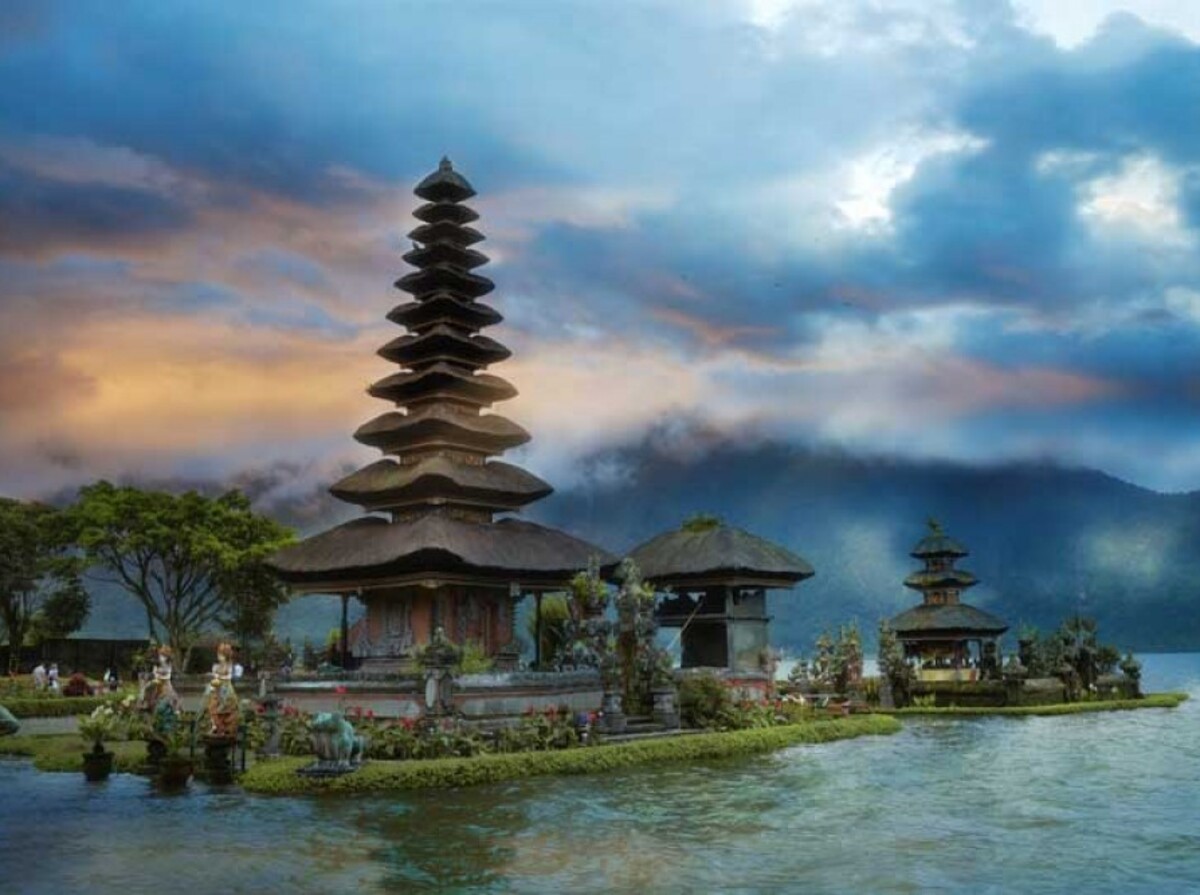
Bali, in Indonesia, attracted more than 6 million foreign tourists in 2024. It is one of the biggest tourist destinations in the region of Southeast Asia. Nevertheless, how secure is this tourist destination?
The quick answer: Bali is an extremely safe destination—safer than almost everywhere else in the world. It’s a place that’s suitable for families, individuals, and couples, and there aren’t really any concerns about your safety there. The long answer is a bit more complex, so let’s explore this in a bit of detail.
Interns’ Experiences in Bali
I’m a US citizen who has been residing in Bali since 2019. I’m currently married to a local Balinese woman named Intan. My wife and I have managed to explore every inch of this beautiful island, including all the popular sites and off-the-beaten-path places. I have a unique perspective because I am both a local and a tourist.
Safety in Bali: What You Need To Know
1. Violent Crime
It has one of the lowest murder rates in the world (0.3 per 100,000), much lower than the global average. The people of Bali are gentle and kind, making it an extremely safe place when it comes to violent crime. You can generally transport valuables without trouble while exercising common sense.
2. Terrorism
Bali has had bomb attacks in 2002 and 2005; however, there have not been any incidents within the last 20 years. The Indonesian government closely watches security conditions; therefore, all tourism locations are safe.
3. Theft
There is theft, especially in private villas. Pack your valuable belongings and take care when in tourist areas. Be on guard for drive-by phone snatching in Canggu and Kuta, and take care of your mobile phone when on a motorbike.
4. scams
Unofficial money changers should be avoided in tourist areas, and bargaining prices at markets doesn’t stop at prices – it can also involve extortion. “Hiking mafia” at Mount Batur or Sekumpul Waterfall should also be treated with caution if they try to force guide services on you.
5. Roads & Traffic
The roads are quite narrow with a high traffic level. The most common danger for a traveler could be a motorbike accident; hence, always wear a helmet and ride the motorbike if you are experienced.
6. Food Safety ("Bali Belly")
There have been improvements in food hygiene, too. Bottled drinking water is advisable, and most tourists should not encounter any problems either. Tap water and raw vegetables may cause problems if your stomach is not very strong.
7. Volcanoes & Earth
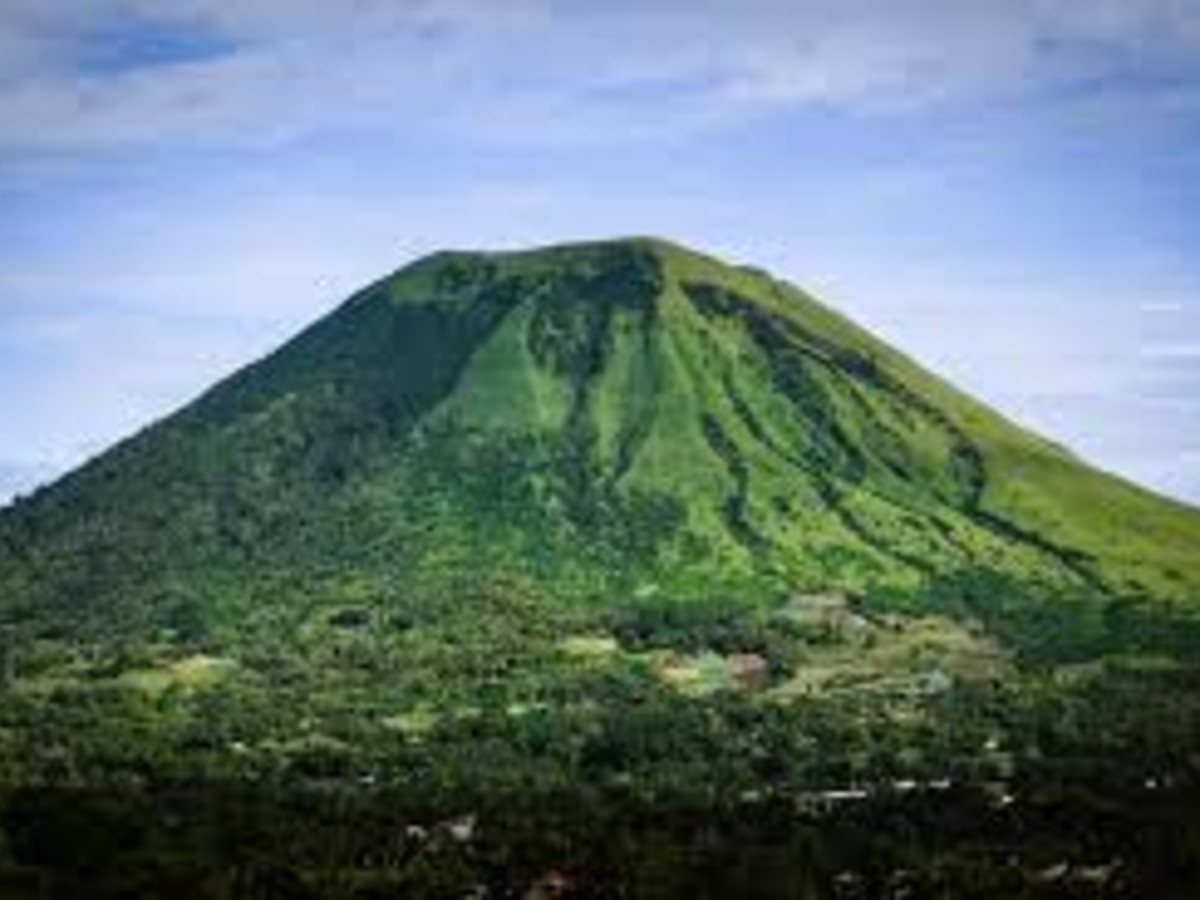
Bali has volcanoes (Mt. Agung, Batur). Bali is on the Pacific Rim of Fire. However, occurrences in tourist sites are rare. Warning announcements and safety tips are found on the websites of the volcano tourist sites.
8. Animals
Dogs: There is rabies; bite wounds require immediate care
MONKEYS: Usually found in dense forest areas, quite mischievous, but not very dangerous. One
Snakes - Keep away; presume venomous unless proven otherwise.
Mosquitoes: No malaria, but dengue, chikungunya, and Japanese encephalitis can be present. In
Additional Travel Safety Advice
"Solo Travelers" – Safe, including female travelers. Normal precautions are advised.
Vaccines: Tetanus, Typhoid, Hepatitis A recommended
Heathcare
Hospitals in Bali include BIMC, Siloam, and Sanglah. These hospitals have adequate healthcare standards.
Alcohol: The local beer is safe—Bintang brand. But beware of LGBT Travelers: Bali is welcoming, although caution is recommended. Spiders: Visible but not harmful. Safe Places to Live: Some safe and family-friendly areas to stay in Bali are Sanur and Nusa Dua; however, Canggu and Travel in Bali
Private Drivers: Inexpensive and safest. Day trips from 700k Rupiah (~$48 US). Scooter Rentals: Begin for 140k Rupiah ($9) with helmets and raincoats. Meant for professionals. Bali: A Tropical Paradise that Is Extremely Safe for Tourists When You Take Certain Caution
A tropical paradise like Bali can be extremely safe for tourists when they take certain precautions. From volcano climbing to beach holidays, your holiday can be an exciting yet safe one.

Aqsa Zaheer
Writer at The Global Routes, covering destinations, travel guides and lifestyle stories.