What to Do When Your Car Gets Stuck in Floodwater in Dubai
 By Aqsa Zaheer
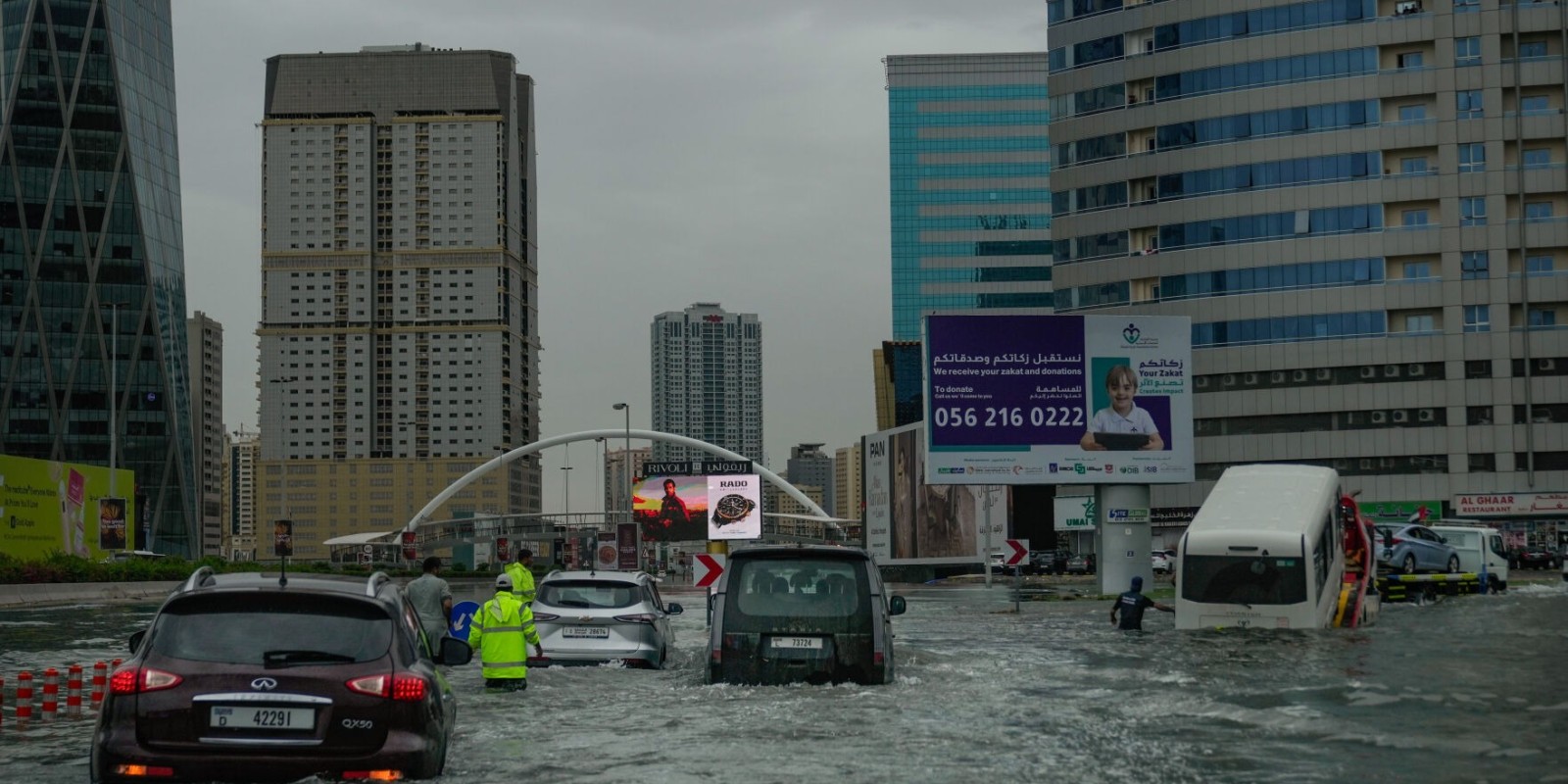
Table of Contents
Quick Facts
What to Do When Your Car Gets Stuck in Floodwater in Dubai
Rainstorms in Dubai can turn roads into deep water zones within minutes. If your car gets stuck in floodwater, staying calm and taking the right actions can save both you and your vehicle from further harm.
1. Stay calm, and Put Safety First: Take a moment to breathe and assess the situation. If your car stalls, switch off the engine immediately. Stay inside only if the water level is low and stable; if the water starts rising, exit the vehicle and move to higher ground. Avoid walking through fast-moving water and call emergency services (999) if needed.
2. Never restart the engine: Restarting a car submerged or stalled in water can cause severe engine damage (hydrolock) and electrical failure. Even if the car starts, the long-term damage can be costly. If it stops in water, leave the engine off.
3. Turn On Hazard Lights If your vehicle still has electrical power, switch on your hazard lights to alert other drivers, especially during heavy rain when visibility drops.
4. Move Only If It’s Safe: If water levels are low and the car hasn’t stalled, drive slowly and steadily. Avoid sudden braking or acceleration. If the engine has already shut down, do not try to move the car.
5. Exit Quickly If Water Rises: Unlock the doors and leave the car immediately if water starts entering the cabin. If the door won’t open, lower the window. Only break the glass if it’s a last resort.
6. Call for Professional Support: Contact roadside assistance, your insurance provider, or book a service through ServiceMarket’s car service at home. Always get the car towed—never drive it after being submerged.
7. Check for Damage Once the car is safe, do not start the engine. Look for water levels, mud, damp seats, and signs of contamination. Take photos for insurance claims.
8. Clean the Car Thoroughly: Floodwater contains harmful contaminants that can cause mold, rust, and odor. A proper interior and exterior cleaning helps prevent long-term damage.
9. Know Your Insurance Coverage: Comprehensive insurance usually covers flood damage. Third-party policies do not. Being aware of your coverage helps avoid unexpected costs.
Aqsa Zaheer
Writer at The Global Routes, covering destinations, travel guides and lifestyle stories.