MERS Virus in Dubai: Causes, Symptoms & How to Stay Protected
 By Aqsa Zaheer
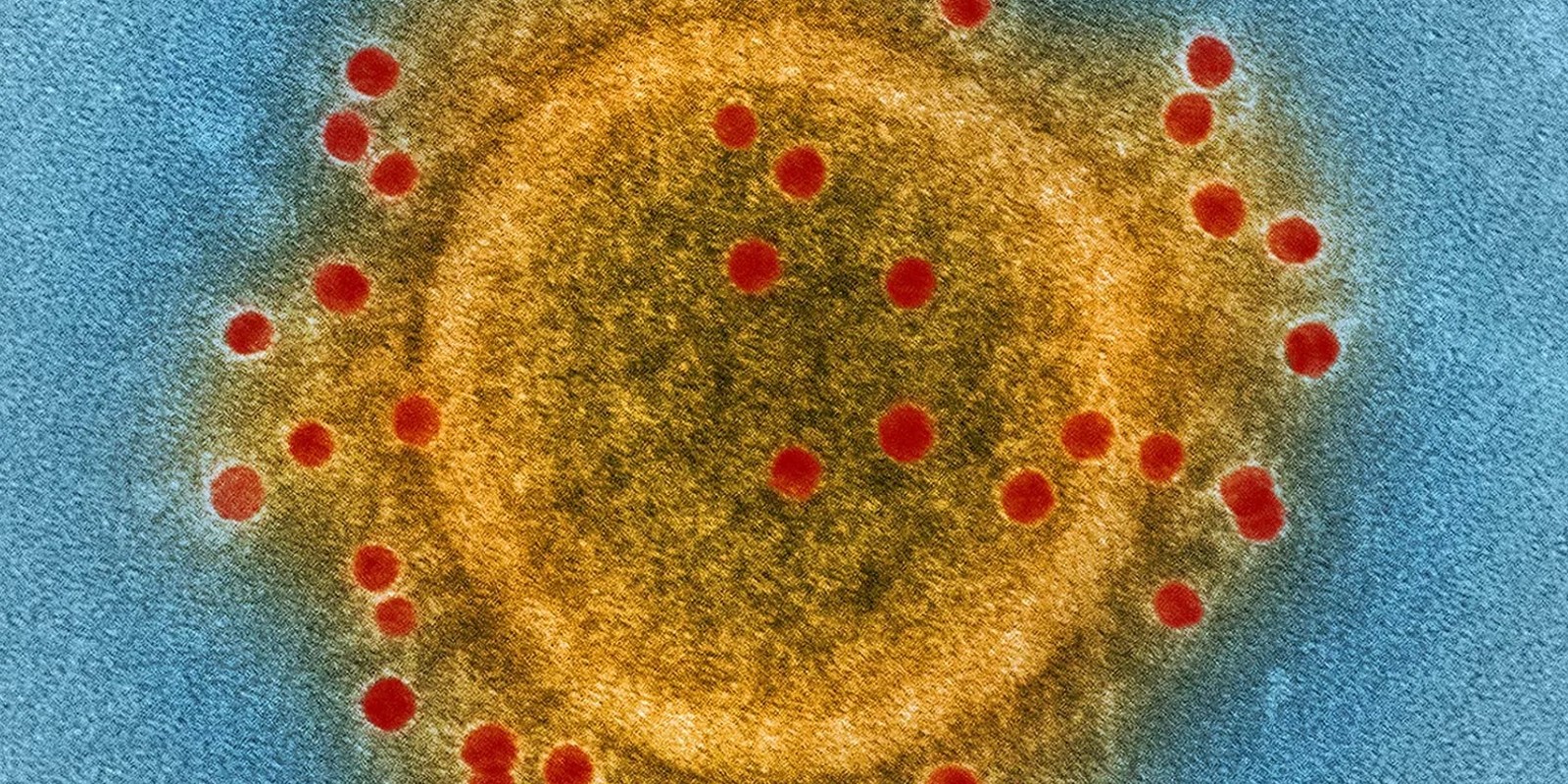
Table of Contents
Quick Facts
The MERS virus, also known as Middle East Respiratory Syndrome Coronavirus (MERS-CoV), is a rare but serious respiratory infection first detected in 2012 in Saudi Arabia. While not as widely known as COVID-19, it remains a health concern in the Middle East, including Dubai.
What Is the MERS Virus?
MERS-CoV is a virus that affects the respiratory system and can cause anything from mild flu-like symptoms to severe pneumonia. It was first identified in patients linked to the Arabian Peninsula, which is why it carries the “Middle East” name.
How It Spreads
The virus is believed to originate in bats but is mainly transmitted to humans through camels. People can get infected by coming into contact with infected camels or their secretions. Human-to-human transmission is possible, especially in healthcare settings, making proper infection control important.
Common Symptoms
Symptoms usually start with:
Fever, cough, shortness of breath
In severe cases, it can lead to pneumonia or acute respiratory distress. People with weak immune systems, older adults, or those with chronic conditions face higher risks.
Is MERS Airborne?
Unlike common cold viruses, MERS does not spread easily through the air. However, once it infects someone, it can be aggressive and require urgent medical care.
Prevention & Global Response
Countries around the world, including the UAE, continue to monitor the virus closely. Hospitals have strengthened precautions, and health authorities carry out surveillance and awareness campaigns to reduce the chance of outbreaks.
What You Should Do
If you notice respiratory symptoms or feel unwell, it’s best to consult a doctor promptly. Instead of visiting a clinic, you can simply book a doctor at home in Dubai for safe, convenient checkups right at your doorstep.
Aqsa Zaheer
Writer at The Global Routes, covering destinations, travel guides and lifestyle stories.