How to Visit Luxor Temple in Egypt – Guide, Tips & Highlights
 By Aqsa Zaheer
Quick Facts
Luxor Temple is one of Egypt’s most famous ancient monuments, built around 1400 BC in what was once the great city of Thebes. The temple was expanded by several pharaohs, including Amenhotep III and Ramesses II, and later used by Romans, Christians, and Muslims. It remained buried under sand for centuries until major excavations began in the late 1800s.
Today, Luxor Temple is a well-preserved UNESCO World Heritage site that visitors can explore in about an hour. The best times to visit are early morning or late afternoon, when the temple glows beautifully in the sunlight. At night, the entire complex is illuminated, creating a dramatic atmosphere.
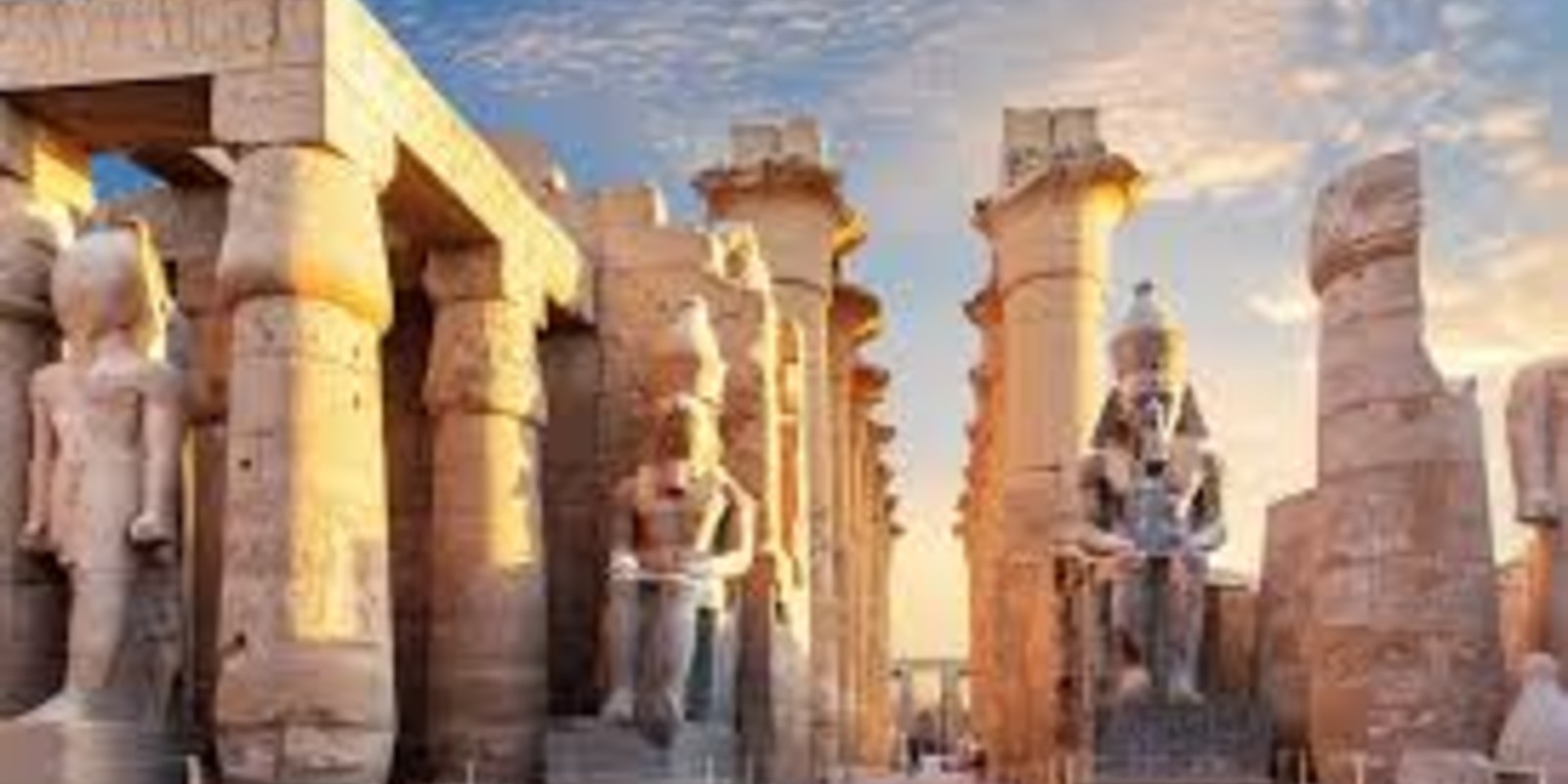
Highlights include the avenue of sphinxes, towering pylons, pharaoh statues, columned courtyards, and the remaining 25-meter obelisk with detailed hieroglyphs. The temple is located on the east bank of the Nile and is easily reached by foot, taxi, or ferry. Entrance tickets are affordable, and photography is free.
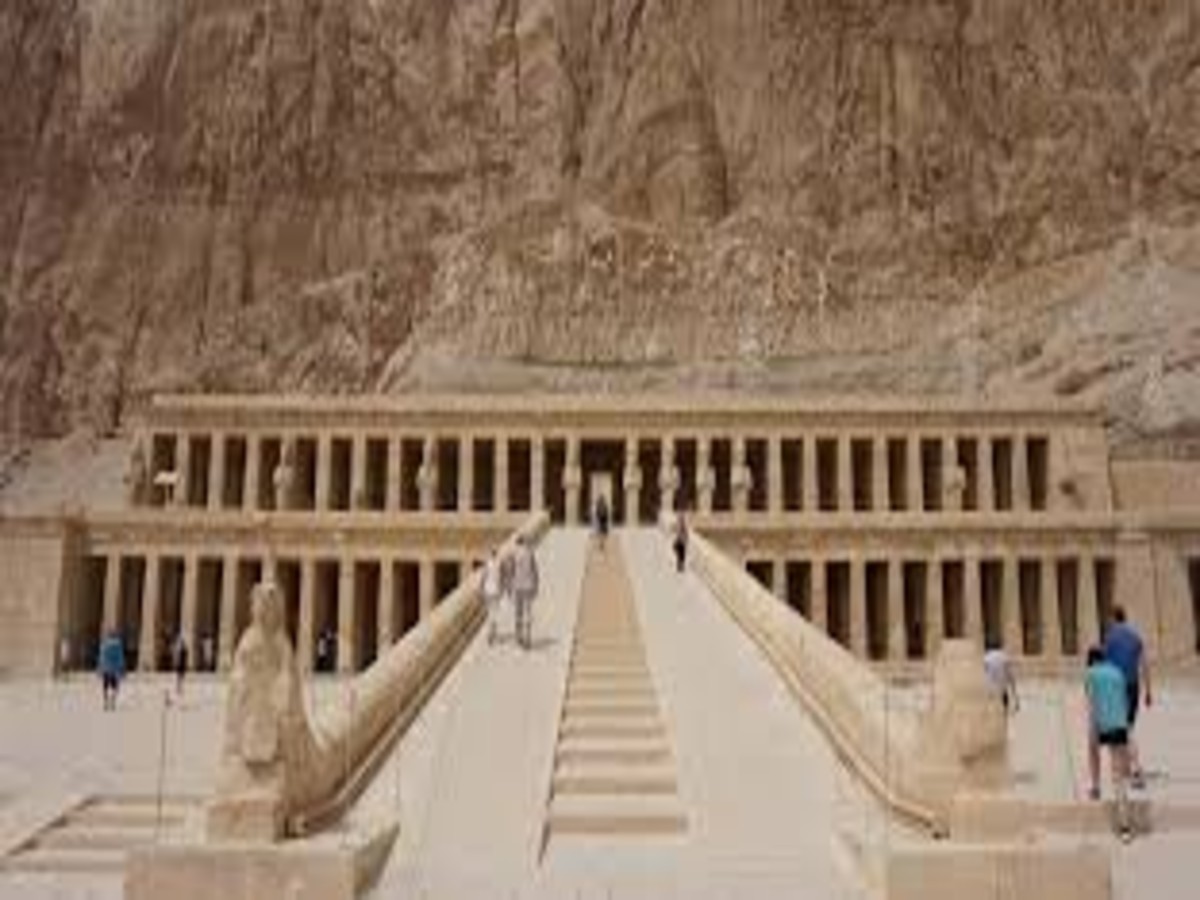
Luxor Temple is often combined with popular sites such as Karnak Temple, Valley of the Kings, and Hatshepsut Temple, either independently or on guided tours.
Aqsa Zaheer
Writer at The Global Routes, covering destinations, travel guides and lifestyle stories.