How Long After COVID Can You Still Test Positive in Dubai?
 By Aqsa Zaheer
Quick Facts
If you’ve recently recovered from COVID-19 but your test keeps showing a positive result, you’re not alone. The time it takes to test negative varies based on the variant, symptoms, and the type of test you’re using.
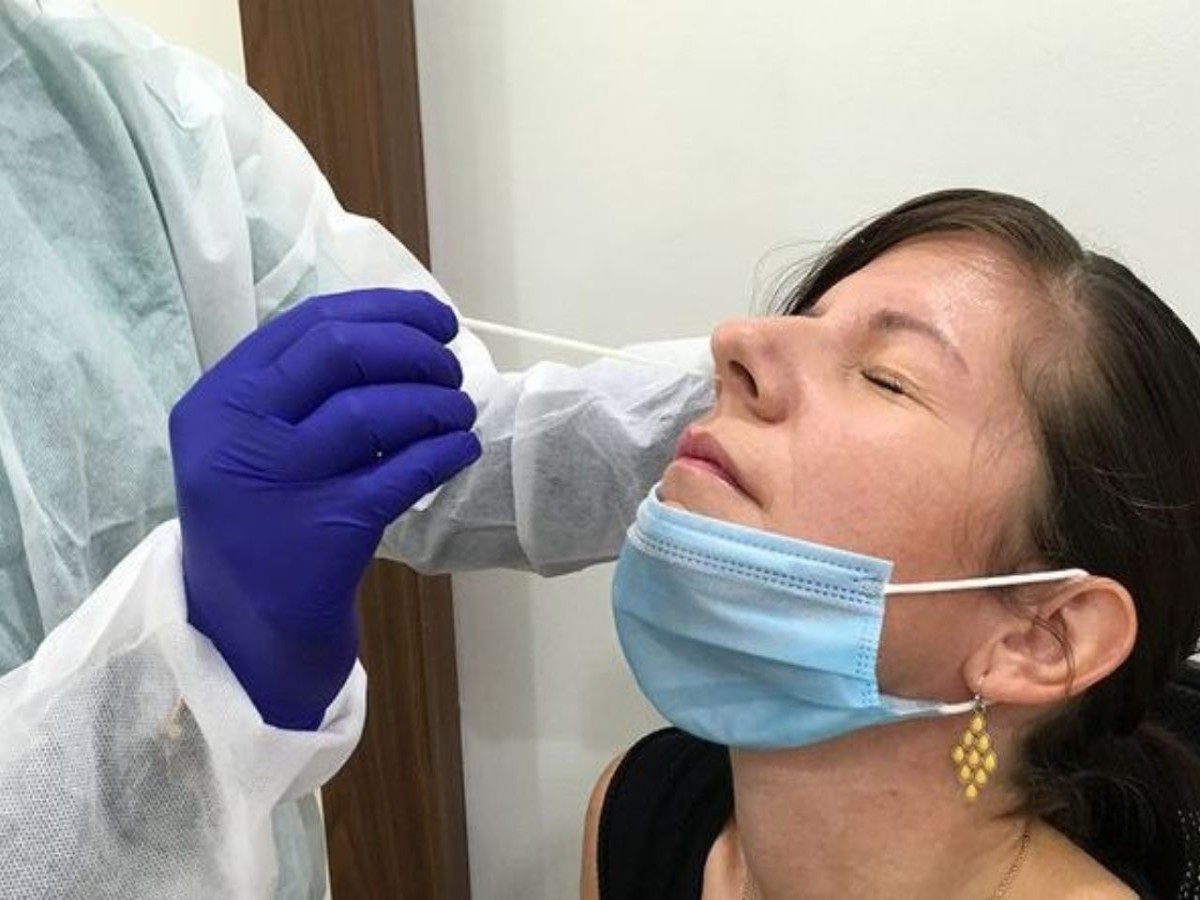
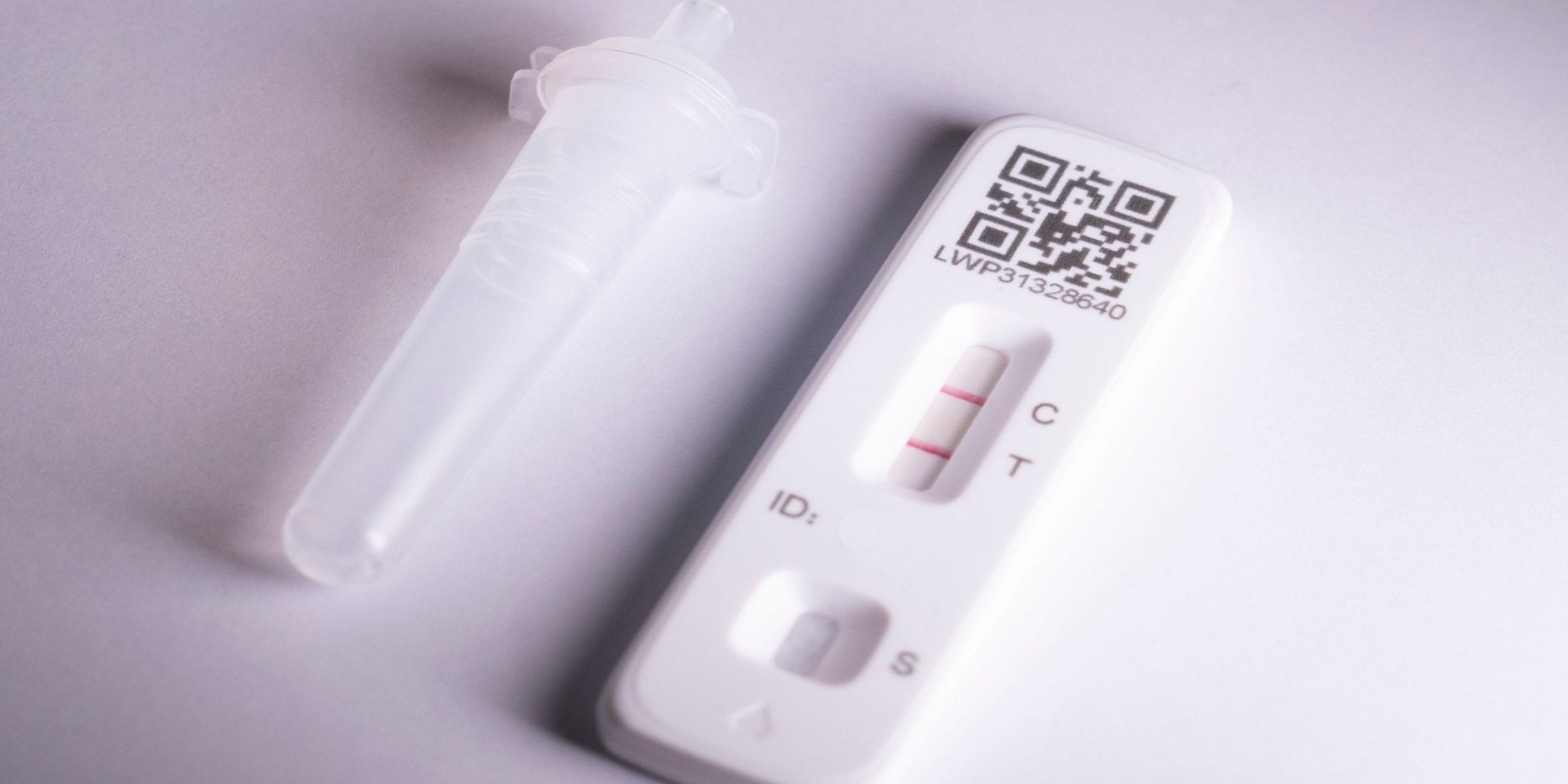
Most people develop symptoms within 5–6 days of exposure, and current guidelines recommend a 5-day isolation period. Rapid antigen tests may stay positive for 6–10 days, sometimes up to two weeks. PCR tests are more sensitive and can detect even small fragments of the virus, meaning you might test positive long after you’re no longer infectious.
Some people continue testing positive because the body still carries leftover viral RNA, especially with variants like Omicron, which stays in the upper respiratory tract. Vaccinated individuals may also show prolonged positivity due to higher viral protein presence.
A positive result doesn’t always mean you’re contagious. The virus typically becomes inactive after about 8 days. However, continue taking precautions, wear a mask, and avoid crowded indoor spaces.
If you’re still testing positive on an antigen test, your viral load may still be high. Continue isolating if possible; otherwise, follow precautionary guidelines. Seek medical help if you experience warning symptoms like chest pain, difficulty breathing, low oxygen levels, or unusual fatigue. If you're unsure, you can always book a doctor at home in Dubai for peace of mind.
Aqsa Zaheer
Writer at The Global Routes, covering destinations, travel guides and lifestyle stories.