Quick Facts
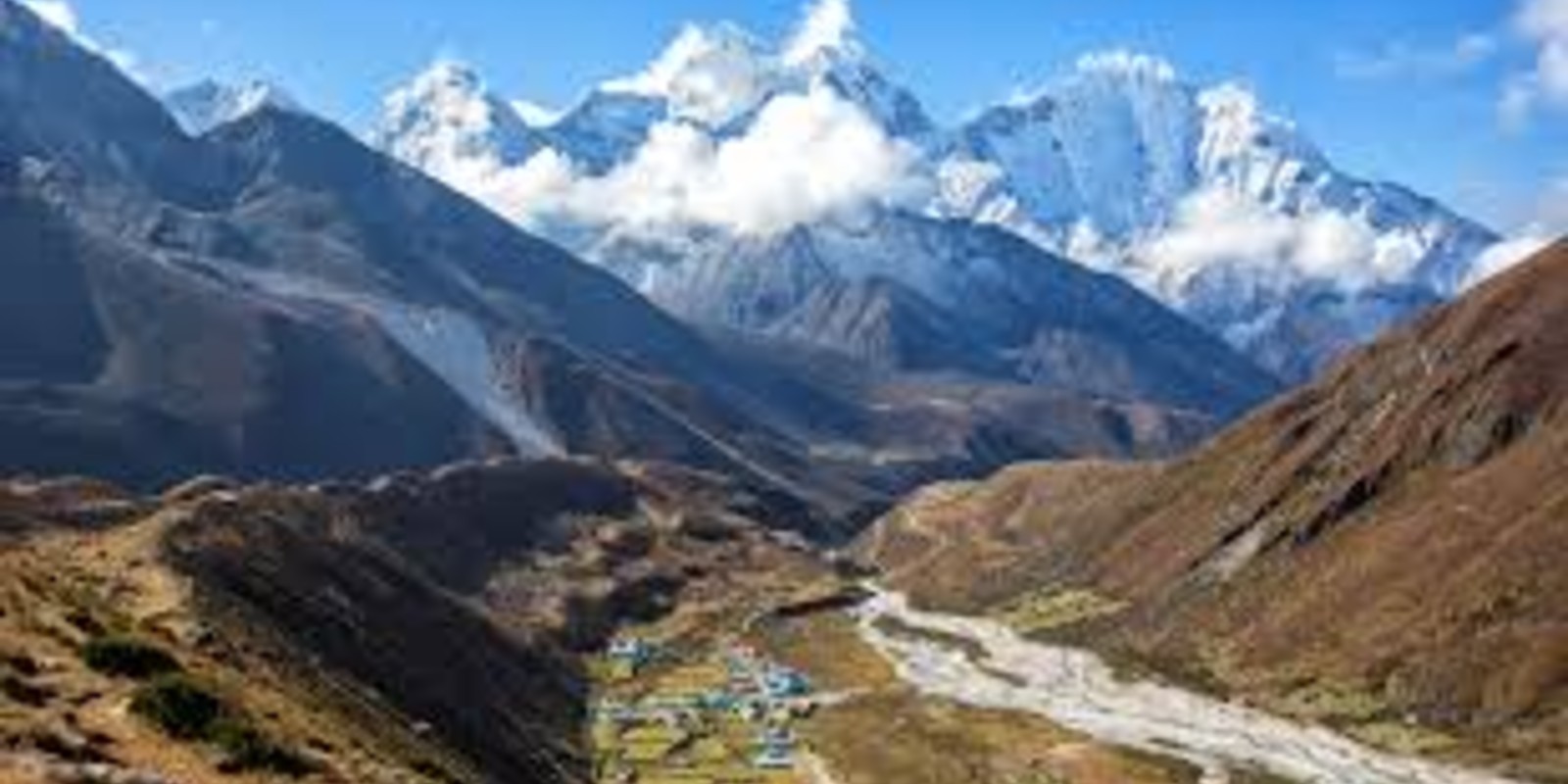
The Everest Base Camp (EBC) trek in Nepal offers one of the world’s most iconic trekking experiences. In about 12–14 days, hikers can reach the foot of Mount Everest and enjoy breathtaking views of the Himalayas.
The trek is moderately challenging and can be done independently or with a guide. The route passes through Lukla, Namche Bazaar, Tengboche, Dingboche, Gorak Shep, and finally Everest Base Camp. Many trekkers also hike to Kala Patthar for the best panoramic views of Everest.
The best trekking seasons are March–May and September–October, offering stable weather and clear skies. Temperatures vary widely, from 5–20°C during the day to -30°C at night in winter. Altitude sickness is a key risk, so proper acclimatization, a slow pace, and staying hydrated are essential.
Accommodation is provided in teahouses along the trail, with meals and basic amenities. Budgeting around $20–25 USD per day for food and lodging is reasonable. Flights to Lukla from Kathmandu simplify access, but the trek can also start from Jiri for a longer route.
Essential gear includes a down jacket, thermal layers, trekking pants, sturdy boots, gloves, and sunglasses. Power banks, cash in Nepali Rupees, and basic first aid are also important. For those preferring convenience, guided tours are available online with reputable providers.
The total trek covers about 65 km one way, with an elevation gain from 2,860 m (Lukla) to 5,364 m (Everest Base Camp), requiring patience, fitness, and careful altitude management. Completing the trek is a rewarding adventure, with incredible Himalayan landscapes and cultural experiences along the way.

Aqsa Zaheer
Writer at The Global Routes, covering destinations, travel guides and lifestyle stories.