CBC Test Explained: What a Complete Blood Count Reveals About Your Health
 By Aqsa Zaheer
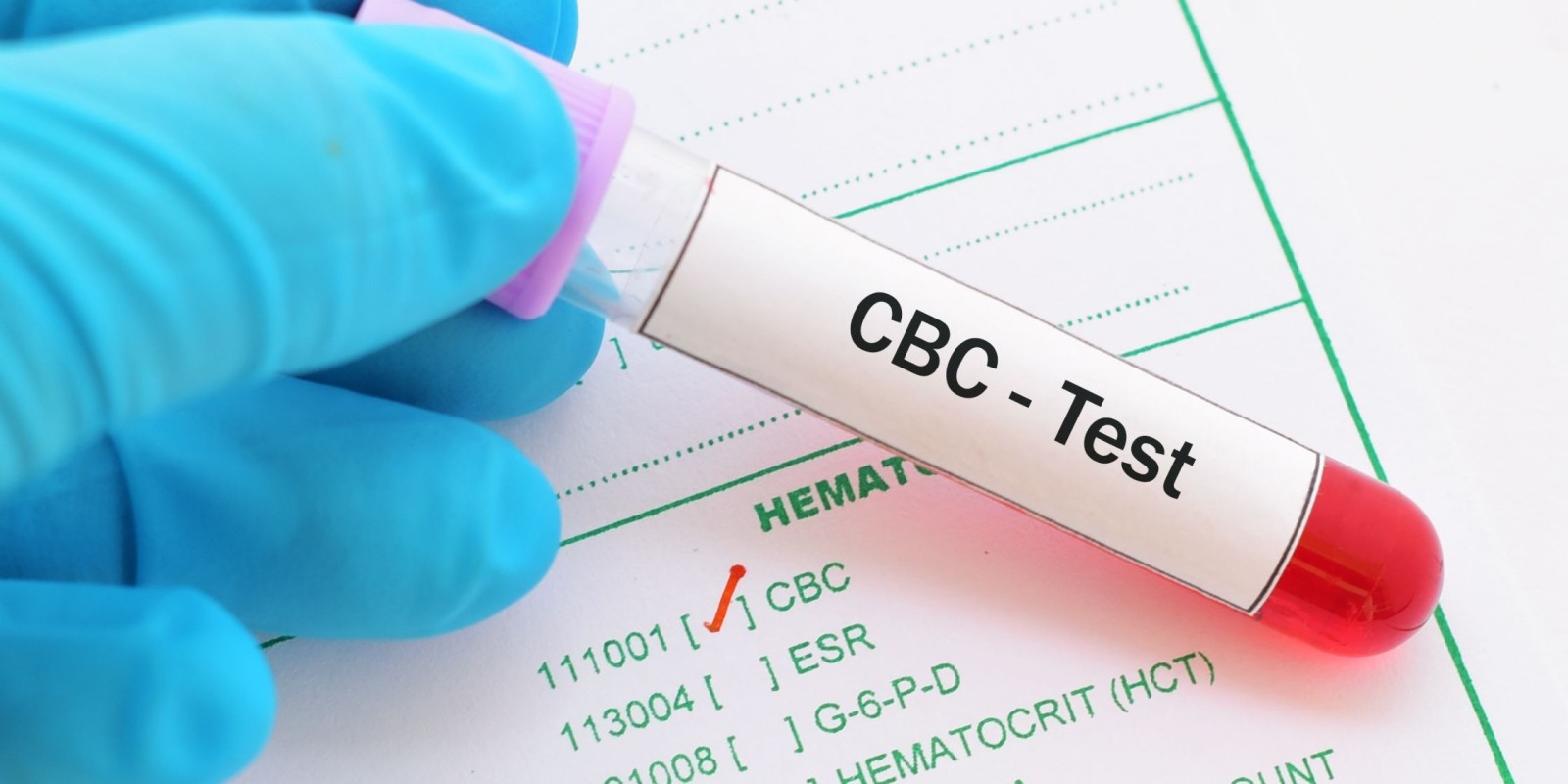
Table of Contents
Quick Facts
A Complete Blood Count (CBC) is one of the most common tests doctors recommend because it helps detect a wide range of health issues. It measures different types of blood cells and shows whether their levels fall within the normal range.
When Do You Need a CBC Test?
Doctors usually suggest a CBC during routine checkups, when diagnosing an illness, or to monitor how well your treatment is working. It’s also useful if you’re feeling unusually tired, weak, or experiencing symptoms that need deeper investigation.
What Does a CBC Measure?
1. Red Blood Cells (RBCs)
RBCs carry oxygen throughout the body. A CBC checks:
Hemoglobin: the oxygen-carrying protein Hematocrit: the percentage of red blood cells in your blood
Low levels may indicate anemia, while high levels can point toward dehydration or other conditions.
2. White Blood Cells (WBCs)
WBCs fight infections. A CBC shows your total WBC count, and sometimes a differential test is done to check each type of white blood cell. Abnormal levels may suggest infection, inflammation, or immune issues.
3. Platelets
Platelets help your blood clot. Too few can cause excessive bleeding, while too many may increase the risk of clotting problems.
How Is a CBC Done?
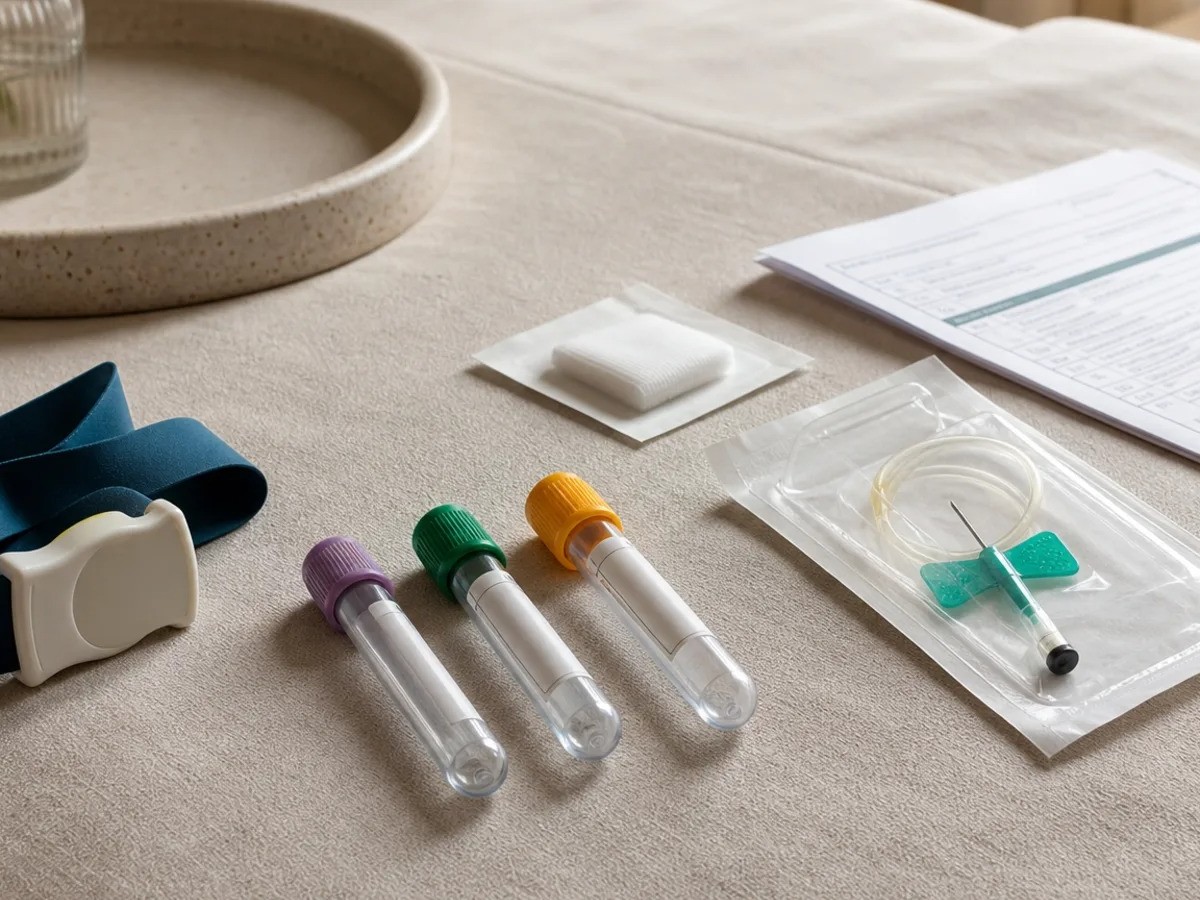
A trained phlebotomist draws a small blood sample, usually from your arm. The process is quick and only takes a few minutes. Your results are then sent to a lab, and your doctor reviews them with you.
Final Thoughts
A CBC test is a simple but powerful tool to understand your health better. Many residents now prefer blood tests at home in Dubai for convenience, especially for seniors, children, and busy individuals. Home services make it easy to get your CBC done safely without visiting a clinic.
Aqsa Zaheer
Writer at The Global Routes, covering destinations, travel guides and lifestyle stories.